

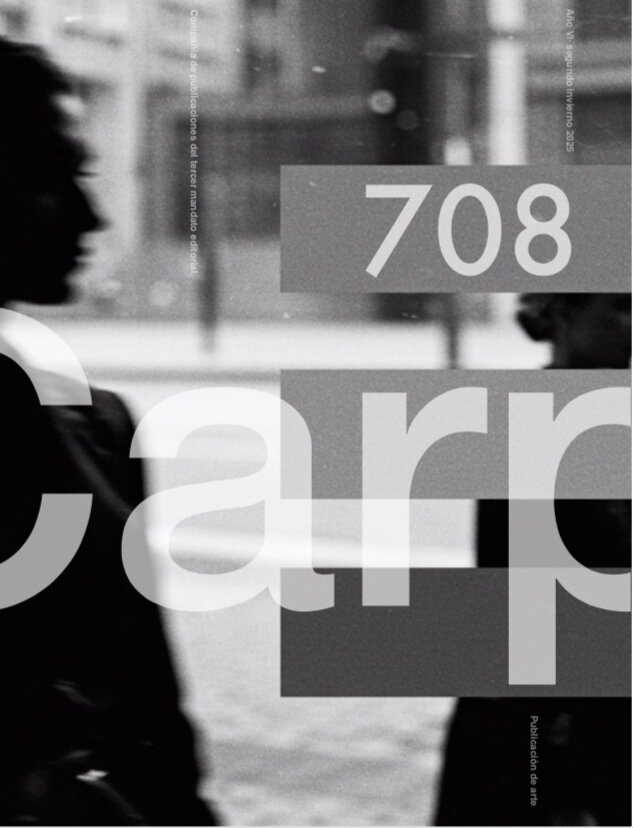
He estado mas apartado del blog de lo habitual a causa de un funesto acontecimiento familiar y he estado durante algunas semanas alejado del trabajo en Carpa.
Carpa 708 es uno de los numeros especiales que cierra de momento la historia de Amparo y se concentrara en el ultimo año de la guerra y de la vida de la artista. A pesar de ser de los ultimos ejemplares de la serie, todo lo narrado en el se convertira en canon y en el se basaran futuros trabajos y revisiones. Siendo un proyecto a largo plazo y en constante evolucion necesitaba tener un definitivo punto de partida. En este numero se combinaran mi trabajo en ilustracion 3d, fotografico y de diseño junto al realizado junto a una IA. Al trabajar en los numeros realizados mayormente con IA, me he dado cuenta de que esta se queda algo corta y necesito completarla con ilustraciones en 3d como venia haciendo hasta ahora.
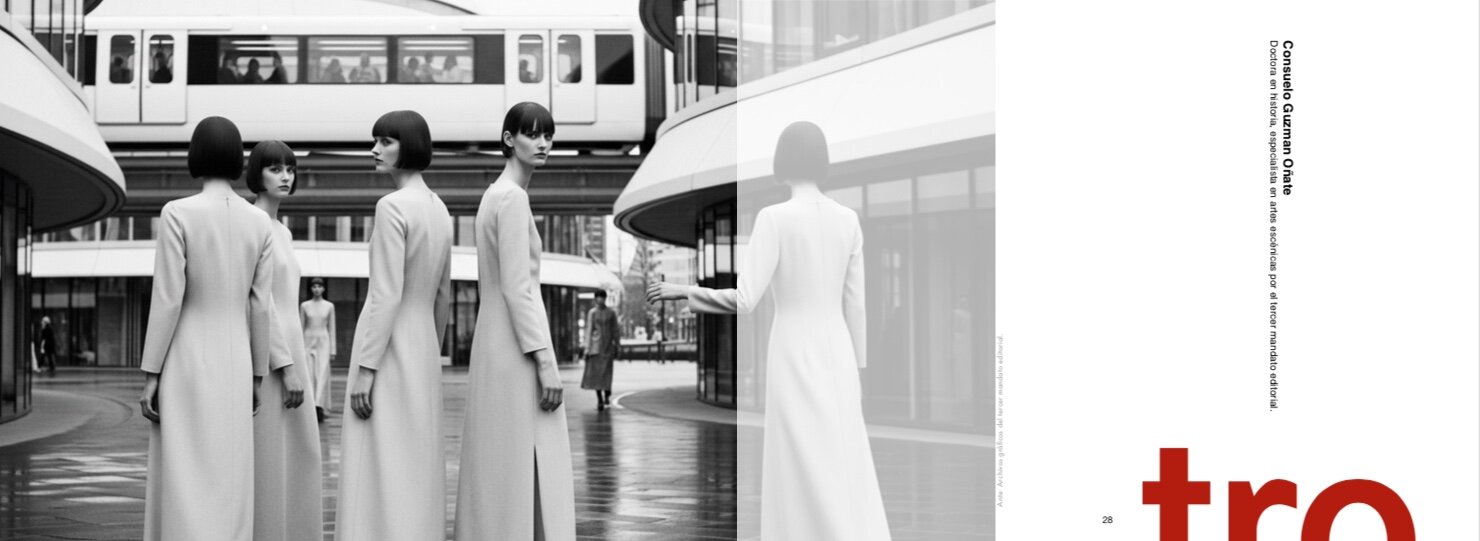
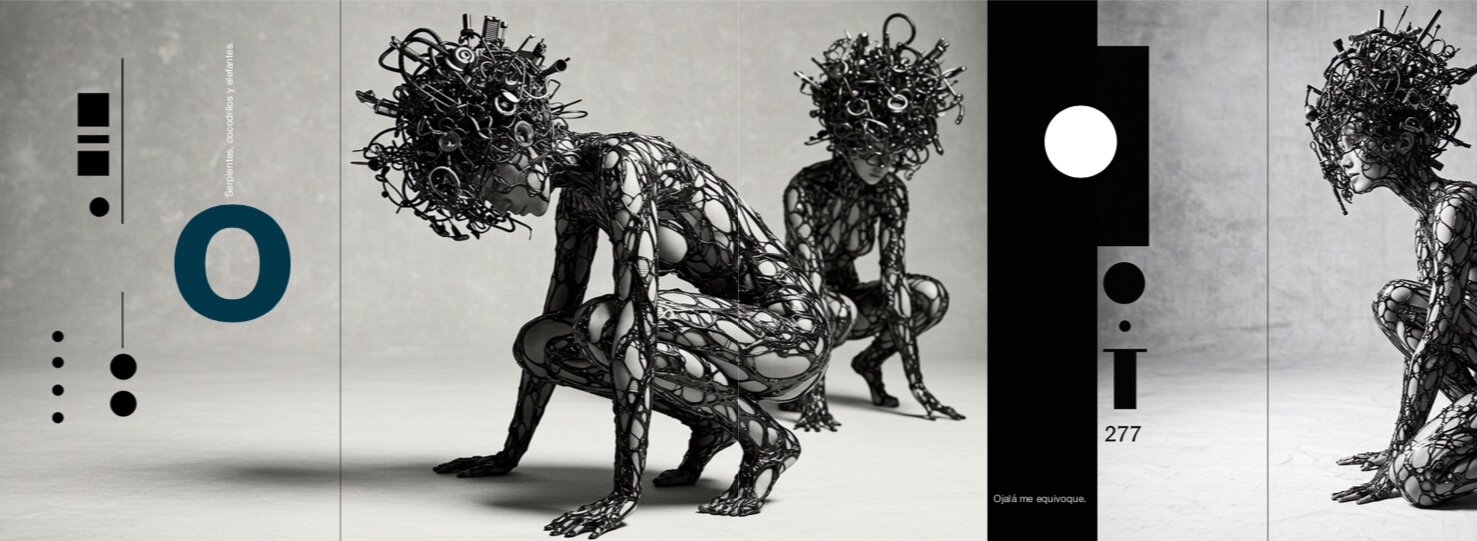
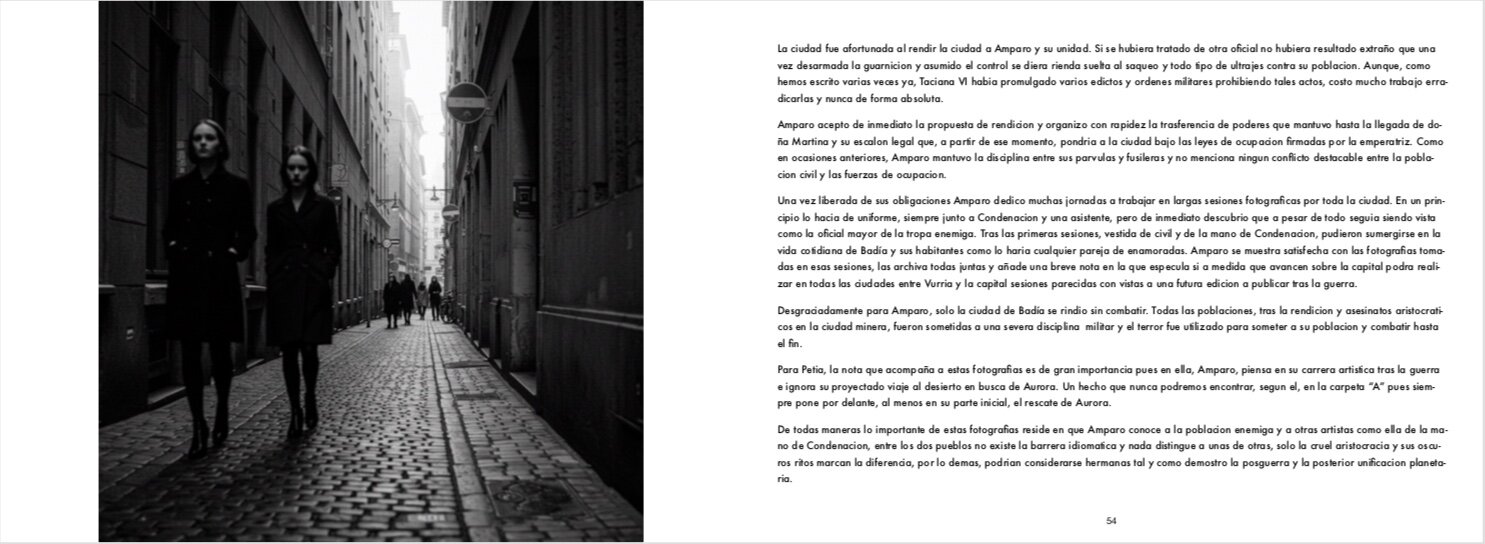
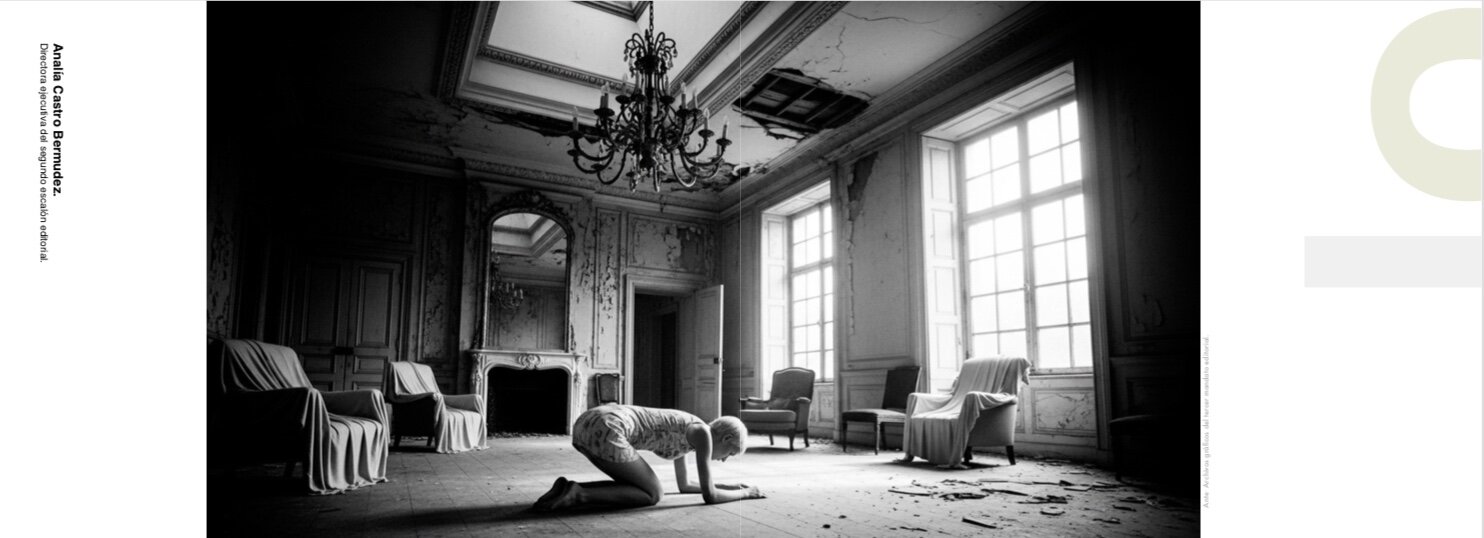
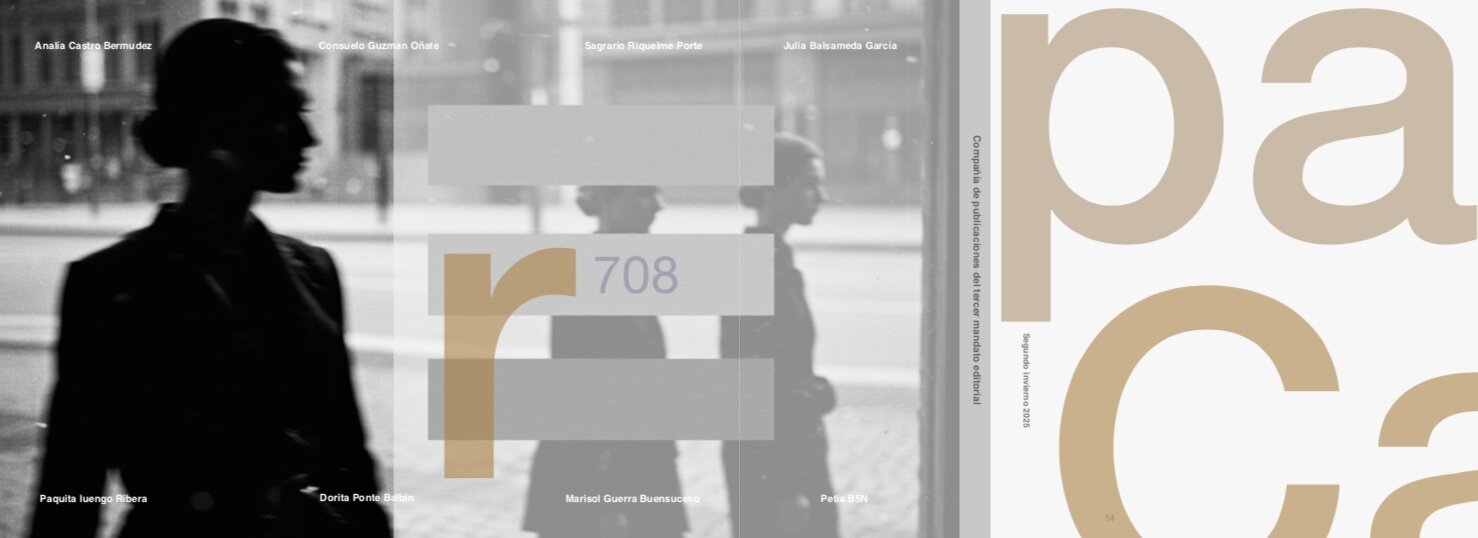
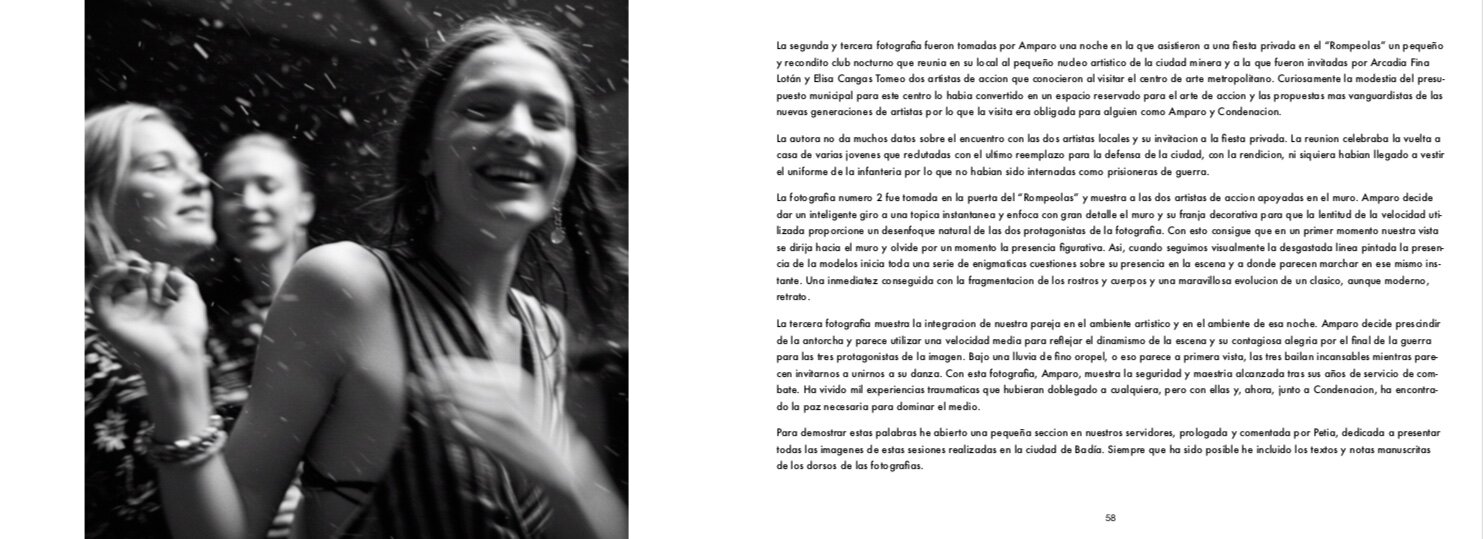
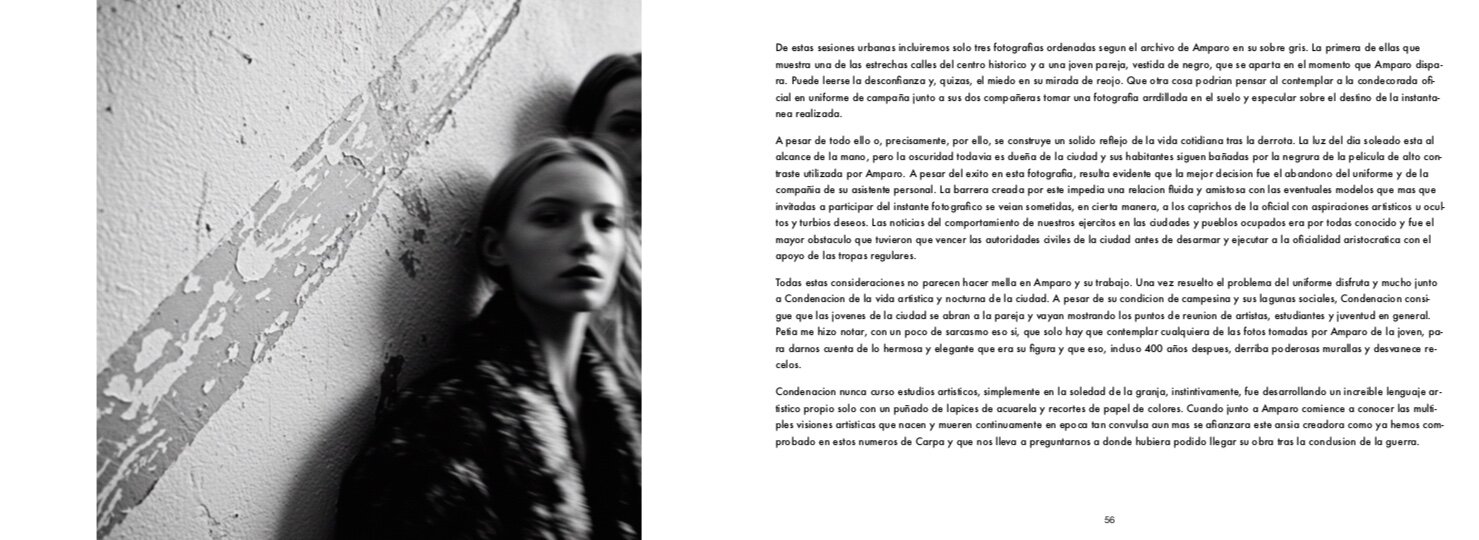
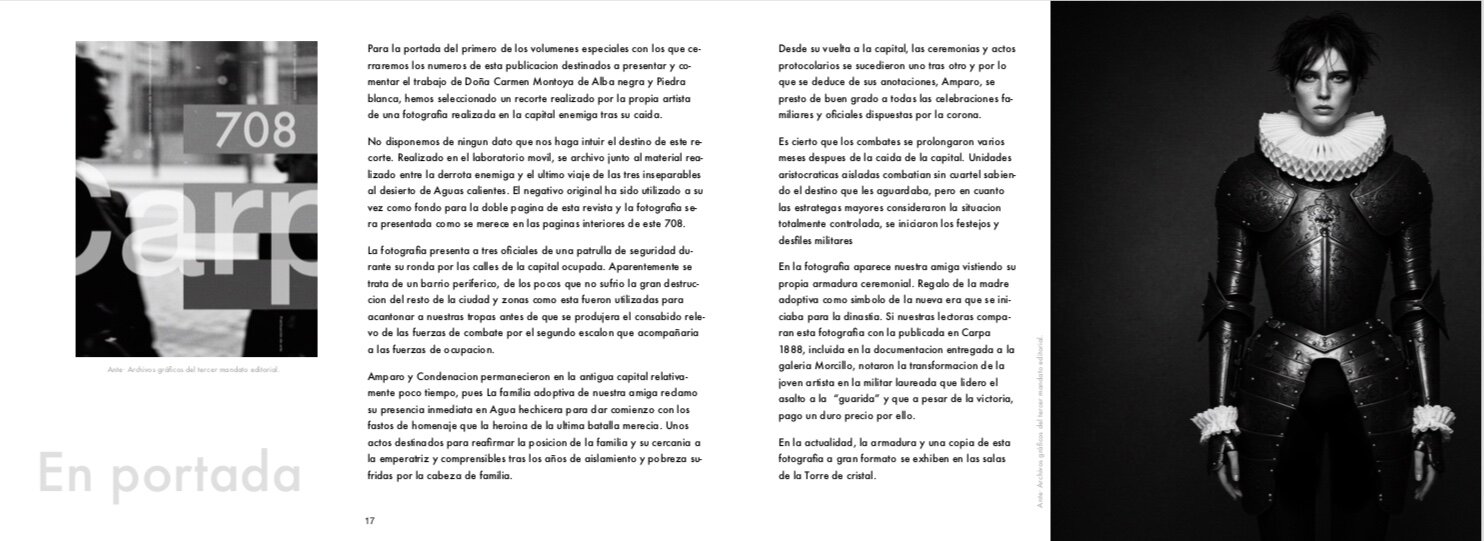
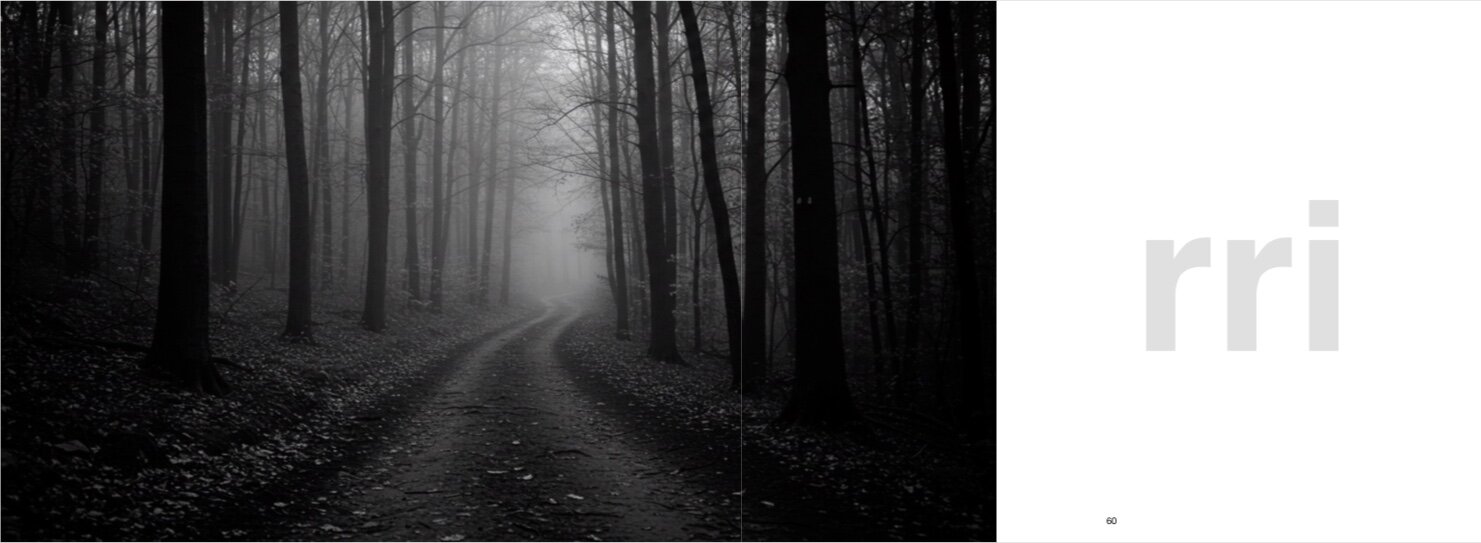
Esta entrada incluira alguna de las primeras paginas realizadas hasta ahora y un boceto del texto introductorio.
Google translator:
I've been away from the blog more than usual due to a tragic family event, and I've been away from work on Carpa for a few weeks.
Carpa 708 is one of the special issues that concludes Amparo's story for the time being and will focus on the last year of the war and the artist's life. Despite being one of the last issues in the series, everything narrated in it will become canon and will be the basis for future work and revisions. Being a long-term and constantly evolving project, I needed a definitive starting point. This issue will combine my 3D illustration, photography, and design work with AI. Having worked mostly on AI issues, I realized that this one falls somewhat short and I need to complement it with 3D illustrations, as I've been doing up until now.
This post will include some of the first pages created so far and a draft of the introductory text.
Texto introductorio:
Al cerrar la edicion de Carpa 1008 y con el los numeros de nuestra publicacion dedicados a presentar la carpeta de Doña Carmen Montoya de Alba negra y Piedra blanca, anunciabamos nuestra intencion de dedicar uno de los numeros especiales, en concreto este 708, a estudiar con detalle el ultimo año de la guerra y la posterior desaparicion de nuestra amiga y sus compañeras en el desierto de Aguas calientes.
Son muchos los motivos que nos llevaron a tomar esta decision. Por una parte, durante ese año, Amparo alcanza la plenitud artistica que buscaba desde hacia tanto tiempo, consolida definitivamente su relacion sentimental con Condenacion y lo mas importante para nosotras, inicia el trabajo en la segunda version de su carpeta.
Desde el hallazgo por Paquita del baul de la artista y su maravilloso contenido siempre se ha considerado la version “A” como la que deberia convertirse en el homenaje definitivo de la fotografa a todas las combatientes contra la inquina de la “Bestia”. La llamada carpeta “B” siempre se ha considerado, incluida esta redaccion, como un boceto preparatorio de la anteriormente mencionada y nunca ha sido publicada en su totalidad. Siempre nos hemos referido a ella de forma somera. como un complemento mas de la produccion de la autora. Todo ha cambiado tras la incorporacion definitiva a esta redaccion de Petia B5n. Su llegada coincidio con la inauguracion de la gran exposicion dedicada a la obra fotografica y no poetica de nuestra amiga. Mientras era instruido por la arzodocta Balsameda en sus nuevas obligaciones como redactora artificial solicito acceso a todo el material reunido por la redaccion, al contenido del baul y se descargo ingentes cantidades de datos de los mandatos de archivo correspondiente. Aunque, como todas nuestras lectoras saben, se implico en infinidad de proyectos y en su obra fotografica personal, continuo estudiando en segundo plano todos los documentos relacionados con nuestra Amparo.
Petia me presento sus conclusiones finales en la terraza de nuestra redaccion durante una de las meriendas que organiza con los productos que cultiva en su huerta, una aficion un tanto curiosa para alguien de sus caracteristicas, pero que constituyen todo un acontecimiento gastronomico para todas nosotras. Tras una larga introduccion sobre sus habilidades y talentos a la hora de estudiar la infinidad de datos descargados afirmo con total seguridad que estabamos totalmente equivocadas respecto a las dos carpetas. Si bien coincidia en el estado embrionario de la carpeta “B”, esta no era un boceto de la “A”, al contrario, Petia consideraba esa version “A” como un primer proyecto del que surgiria el ejemplar definitivo. Consideraba logico que todo el mundo prestara mucha mas atencion a la version “A”, mucho mas completa a pesar de estar inconclusa y dejar fuera o reflejar muy por encima el ultimo año de la guerra, pues la propia artista parecia considerarla como su esfuerzo principal.
Todas las cadenas logicas de analisis y pensamiento le indicaban que la redaccion deberia centrarse en el estudio de ese ultimo año y considerar como algo anecdotico la desaparicion de la artista en el desierto. Para Petia, el argumento de la busqueda del antiguo amor perdido no era mas que una banal excusa para difuminar el verdadero motivo de su viaje y posterior desaparicion.
Las conclusiones de Petia, en realidad, no cambiaran la percepcion y popularidad de la artista entre el publico en general, pero producirian un pequeño terremoto en los circulos academicos mas elevados. La desaparicion de las tres inseparables continuara siendo un misterio y, es practicamente imposible, que este sea resuelto tras tantos años, pero los argumentos de Petia rebosaban de la caotica presencia de la verdad revelada y merecian ser escuchados y publicados.
La reunion de esa tarde fue de las mas animadas y rapidamente fue seguida de una ebria sesion musical como es norma en esta redaccion antes de iniciar cualquier nuevo proyecto. Las directrices generales de los numeros especiales ya estaban programadas por las cuestoras principales de nuestro mandato por lo que Julia decidio presentar el primer boceto de este numero a Doña Asuncion de Fonseca y Antigua, primera de las cuestoras del tercer mandato, cuando nos visitara al concluir la temporada durante la habitual gira de inspeccion. Estas giras suelen hacerse de forma telematica, pero Doña Asuncion gusta de mantener el contacto directo con las redacciones, conocer al nuevo personal y entregar las recompensas o sanciones presencialmente.
La presentacion no deberia suponer ningun problema pues Doña Asuncion alienta la critica, el desarrollo intelectual y el conocimiento entre todas las redacciones sin cortapisas o imposiciones. Con la publicacion de este numero nuestras lectoras comprobaran que dicha presentacion fue todo un exito y nuestro Petia mantuvo una animada charla sobre el arte fotografico de Doña Carmen Montoya de Alba negra y Piedra Blanca, oficialmente siempre se recurre al nombre y apellidos otorgados por su familia adoptiva, antes de recibir la aprobacion de Doña Asuncion. En la presentacion apenas intervino el resto de la redaccion, la cuestora principal, sin duda fascinada por la presencia de una criatura como Petia en nuestro mandato editorial, solo presto atencion a la argumentacion de la metalica redactora.
La unica recomendacion de obligado cumplimiento consistia en anunciar en el prologo de la publicacio las teorias sustentadas por Petia y que estas, a pesar del trabajo realizado por el mismo y el resto de la redaccion, deberian ser presentadas como una plausible teoria academica ya que nadie podria conocer nunca las verdaderas razones de la artista para trabajar en esas dos versiones o los motivos de desaparicion en el desierto fueran estos cuales fueran.
En varios de estos numeros de Carpa comentamos la imposibilidad de realizar nuestro proyecto de investigacion en el desierto de Aguas calientes por su categoria de reserva natural excepcional y la negativa de las autoridades pertinentes a permitir una expedicion del tipo que planeamos en su momento. La incorporacion de Petia y su inicial categoria militar alivio en parte nuestra decepcion pues pudo conectarse a la red de satelites y realizar un detallado estudio del desierto en busqueda de cualquier dato relacionado con Amparo, Teresa y Condenacion.
A pesar de la expectación que levanto entre nosotras la investigacion de Petia, esta no desvelo nada que no supieramos. Identifico los restos de algunas instalaciones militares de los tiempos de la invasion abandonadas mucho tiempo atras junto a diversos yacimientos arquelogicos muy prometedores de sus antiguas pobladoras pero nada que nos ayudara a resolver la desaparicion de nuestra amiga y sus compañeras. Para Petia este fracaso en su busqueda reafirmaba su teoria de la falsa desaparicion de Amparo y que aunque este hecho y algunos otros obligaban a la rescritura de algunos numeros de la serie, abria diversas y profundas lineas de investigacion a cual mas interesante.
Este numero se ha estructurado en torno a la carpeta “B” y, evidentemente, nos centraremos en el ultimo año de la guerra y primeros meses tras ella. El mas interesante, sin ninguna duda, periodo en la vida y obra de la fotografa, una obra que volvera a sorprender y conmover a nuestras lectoras casi como si publicaramos Carpa 1808 por primera vez.
La carpeta se inicia con el acantonamiento de la unidad de Amparo en las landas de Vurria durante los tres inviernos previos a la ultima ofensiva sobre la capital enemiga. Durante esos meses comenzara a trabajar en una breve, pero interesantisima serie de paisajes por primera vez en su vida. La artista, practicamente, nunca habia mostrado ningun interes por el entorno natural, solo como obligado escenario para sus fotografias aparecia en ellas. Durante los primeros compases de la ofensiva combinara este tipo de fotografias con su trabajo artistico habitual. Un trabajo que abandonara parcialmente durante los duros combates urbanos que la llevaran ante el puente de las pescadoras y el definitivo asalto a la “Guarida”. Cabe destacar que por segunda vez durante la guerra alternara la camara fotografica con los utiles y herramientas del dibujo y la pintura. Quizas influida por la trascendencia del momento, Amparo, prefiere centrarse en sus deberes militares y solo al concluir la campaña realizara las soberbias ilustraciones de sus parvulas en combate. Solo tomara algunas fotografias durante las escasa pausas y momentos muy puntuales de la operacion
En Carpa 1508 ya presentamos con detalle el trabajo pictorico realizado durante su viaje en tren rumbo a su primer mando. Meses mas tarde publicamos en los servidores algunas de las obras que presentamos aqui como anucio previo a lo que depararian los siguientes numeros de Carpa. Si bien, preparabamos un numero especial dedicado a estas ilustraciones, he decidido que sera mucho mas apropiado incluirlas en este numero bajo el nuevo enfoque teorizado por Petia y en el entorno originalmente decidido por la artista. Recomiendo tambien mantener abierta la carpeta “A” para apreciar con todo detalle las diferencias con la “B”, de la que hemos subido a nuestros servidores una edicion comentada por esta redaccion. Por ultimo, añadire que, en esta ocasion y, por primera vez, Petia, como no podia ser de otra manera, estara a cargo de la direccion grafica y produccion de este Carpa 708.

Introductory Text:
As we closed the 1008 edition of Carpa, and with it the issues of our publication dedicated to presenting the portfolio of Doña Carmen Montoya from Alba Negra and Piedra Blanca, we announced our intention to dedicate one of the special issues, specifically this 708, to a detailed study of the last year of the war and the subsequent disappearance of our friend and her companions in the Aguas Calientes desert.
There were many reasons that led us to this decision. On the one hand, during that year, Amparo achieved the artistic fulfillment she had long sought, definitively consolidated her romantic relationship with Condenación, and, most importantly for us, began work on the second version of her portfolio.
Since Paquita discovered the artist's trunk and its wonderful contents, version "A" has always been considered the one that should become the photographer's definitive tribute to all the combatants against the malice of the "Beast." The so-called "B" folder has always been considered, including this editorial, as a preparatory sketch for the aforementioned one and has never been published in its entirety. We have always referred to it briefly, as a further complement to the author's output. Everything changed after Petia B5n finally joined this editorial team. His arrival coincided with the opening of the major exhibition dedicated to our friend's photographic and non-poetic work. While being instructed by Archbishop Balsameda in his new duties as an artificial editor, he requested access to all the material gathered by the editorial team, to the contents of the trunk, and downloaded vast amounts of data from the corresponding archive mandates. Although, as all our readers know, he was involved in countless projects and his personal photographic work, he continued to study all the documents related to our Amparo in the background. Petia presented her final conclusions to me on the terrace of our editorial office during one of the afternoon teas she organizes with the produce she grows in her garden, a somewhat unusual hobby for someone of her background, but one that constitutes a gastronomic event for all of us. After a long introduction about her skills and talents when it came to analyzing the endless amount of downloaded data, she confidently stated that we were completely wrong about the two folders. While she agreed on the embryonic state of folder "B," it was not a draft of "A." On the contrary, Petia considered version "A" to be a first project from which the final version would emerge. She considered it logical that everyone would pay much more attention to version "A," which was much more complete despite being unfinished and leaving out or only briefly reflecting the last year of the war, since the artist herself seemed to consider it her main effort. Every logical chain of analysis and thought told him the editorial team should focus on the study of that last year and dismiss the artist's disappearance in the desert as anecdotal. For Petia, the plot of the search for her lost love was nothing more than a banal excuse to obscure the true reason for her trip and subsequent disappearance.
Petia's conclusions, in reality, would not change the artist's perception and popularity among the general public, but they would produce a small earthquake in the highest academic circles. The disappearance of the three inseparable women will remain a mystery, and it is practically impossible for it to be solved after so many years, but Petia's arguments brimmed with the chaotic presence of revealed truth and deserved to be heard and published.
The meeting that afternoon was one of the liveliest and was quickly followed by a drunken musical session, as is customary in this editorial office before starting any new project. The general guidelines for the special issues had already been planned by the principal quaestors of our mandate, so Julia decided to present the first draft of this issue to Doña Asunción de Fonseca y Antigua, the first of the quaestors of the third term, when she visited us at the end of the season during her usual inspection tour. These tours are usually conducted online, but Doña Asunción likes to maintain direct contact with the editorial staff, meet new staff, and present rewards or sanctions in person.
The presentation shouldn't pose any problems, as Doña Asunción encourages criticism, intellectual development, and knowledge among all editorial staff without restrictions or impositions. With the publication of this issue, our readers will see that the presentation was a resounding success, and our Petia held a lively discussion about the photographic art of Doña Carmen Montoya of Alba Negra and Piedra Blanca. Officially, the first and last names given by her adoptive family are always used, prior to receiving Doña Asunción's approval. The rest of the editorial staff barely spoke during the presentation; the chief quaestor, undoubtedly fascinated by the presence of a child like Petia in our editorial mandate, paid attention only to the arguments of the metallic editor. The only mandatory recommendation was to announce the theories supported by Petia in the publication's prologue. These theories, despite the work done by Petia and the rest of the editorial team, should be presented as a plausible academic theory, since no one would ever know the artist's true reasons for working on these two versions or the reasons for her disappearance in the desert, whatever they might be.
In several of these issues of Carpa, we discussed the impossibility of carrying out our research project in the Aguas Calientes Desert due to its status as an exceptional natural reserve and the refusal of the relevant authorities to allow an expedition of the type we had planned at the time. Petia's inclusion and his initial military status partially alleviated our disappointment, as he was able to connect to the satellite network and conduct a detailed study of the desert in search of any information related to Amparo, Teresa, and Condenación.
Despite the excitement Petia's investigation raised among us, it didn't reveal anything we didn't already know. She identified the remains of some long-abandoned military installations from the invasion, along with several very promising archaeological sites belonging to their former inhabitants, but nothing that would help us solve the disappearance of our friend and her companions. For Petia, this failure of her search reaffirmed her theory of Amparo's false disappearance. Although this fact and several others required rewriting some issues in the series, it opened up various and in-depth lines of investigation, each more interesting than the last.
This issue has been structured around the "B" folder, and we will obviously focus on the last year of the war and the first months after it. Without a doubt, this was the most interesting period in the photographer's life and work, a body of work that will once again surprise and move our readers, almost as if we were publishing Carpa 1808 for the first time.
The portfolio begins with the quartering of Amparo's unit in the Vurria moors during the three winters prior to the final offensive on the enemy capital. During those months, she began working on a brief but extremely interesting series of landscapes for the first time in her life. The artist had practically never shown any interest in the natural environment; it appeared in her photographs only as a necessary backdrop. During the early stages of the offensive, she combined this type of photography with her usual artistic work. A practice she would partially abandon during the fierce urban fighting that brought her to the Fisherwomen's Bridge and the final assault on the "Guarida." It's worth noting that for the second time during the war, she alternated her camera with the tools of drawing and painting. Perhaps influenced by the significance of the moment, Amparo preferred to focus on her military duties and only at the end of the campaign did she produce the superb combat illustrations for her children. She only took a few photographs during the few pauses and at very specific moments during the operation.
In Carpa 1508, we already detailed the pictorial work completed during her train journey to her first command. Months later, we published some of the works we present here on the servers as a preview of what would come in subsequent issues of Carpa. Although we were preparing a special issue dedicated to these illustrations, I decided it would be much more appropriate to include them in this issue under the new approach theorized by Petia and in the setting originally chosen by the artist. I also recommend keeping folder "A" open to fully appreciate the differences with "B," for which we have uploaded an annotated edition to our servers. Finally, I'll add that, on this occasion and for the first time, Petia, as expected, will be in charge of the graphic direction and production of this Carpa 708.
0 Comments
Recommended Comments
There are no comments to display.